Resistant Starch – a concise guide to the biohack of the decade
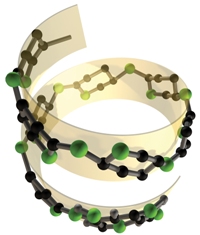
Amylose
Resistant Starch (RS for short) is being called the biohack of the decade and with good reason. The majority of people experimenting with it are reporting dramatic improvements in well-being across a number of measures.
Briefly the primary benefits seen are:
- Improved blood glucose & metabolism
- Improved sleep and “movie-like” vivid dreams
- Enhanced energy, mood and well-being
- Improved digestion and bowel movements
So what is Resistant Starch? Resistant starch is named so because it is a starchthat resists digestion. RS is a carbohydrate with a complex molecular structure that the body cannot break down and absorb as glucose. It is a long amylose chain wrapped in a helical like structure. Because of this it bypasses digestion in the small intestine and is used as food for bacteria primarily inhabiting the large intestine/colon. Thus the purpose of taking resistant starch is to symbiotically feed your microbes which then in turn do all kinds of wonderful things for you.
There are four different types of Resistant Starch:
- RS1 - Physically inaccessible or digestible resistant starch, such as that found in seeds or legumes and unprocessed whole grains
- RS2 - Resistant starch that occurs in its natural granular form, such as uncooked potato, green banana flour and high amylose corn
- RS3 - Resistant starch that is formed when starch-containing foods are cooked and cooled such as in legumes, bread, cornflakes and cooked-and-chilled potatoes, pasta salad or sushi rice. Occurs due to retrogradation, which refers to the collective processes of dissolved starch becoming less soluble after being heated and dissolved in water and then cooled.
- RS4 - Starches that have been chemically modified to resist digestion. These are man-made and not found in nature
We are primarily interested in RS2 and also a bit in RS3 as they are the natural accessible forms of RS.
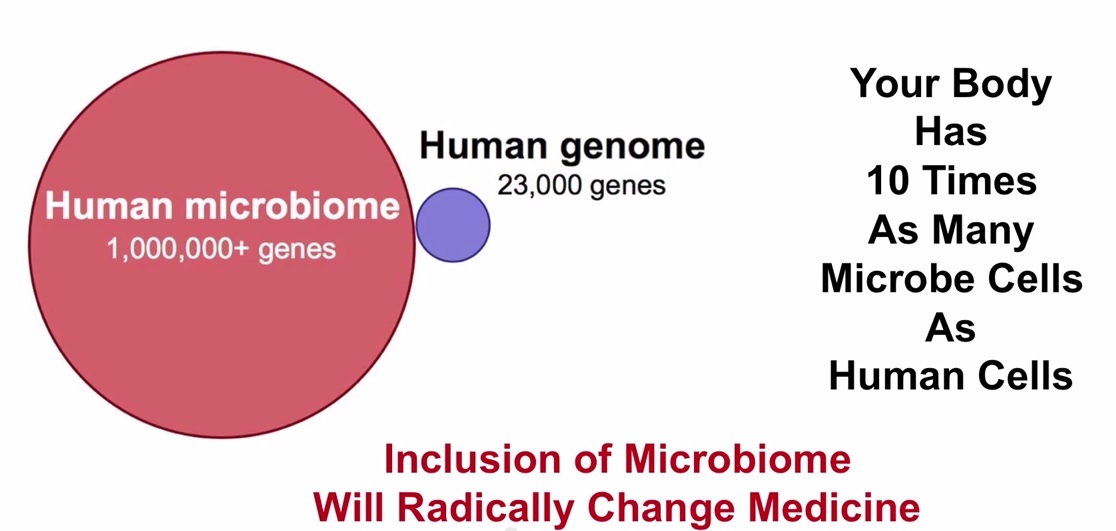
Medical science for the last century has largely ignored the human microbiome much to it’s own peril. When it comes to numbers we are in fact more mircobes than human, as microbe cells outnumber human cells 10 to 1 in and on the body. It is estimated that there are more than 1,000 species of gut microbes and more than 7,000 strains that collectively contain 150 times more genes than the human genome. These bacteria through their processes also help modulate the human genome epigenetically altering our very own genetic expression.
In fact the very reason resistant starch works so well is that it reverse some of the damage western medicine has done. Ever since the discovery of penicillin and antibiotics western medicine has been on a crusade to kill bacteria, many of which have been wrongly demonized. Our germ-a-phobic society has installed hand sanitizers in almost every conceivable location and many cleaning products are marketed for their germ-killing properties. Antibiotics have found their way into our food and are used extensively on animals. In the words of one man what we have effectively done is conducted ”mass extinction” which has a plethora of unintended consequences and inadvertently caused a whole host of chronic illnesses.
When people take antibiotics they tend to be broad spectrum and while they kill many “bad” guys they also kill “good” guys. Taking antibiotics is akin to taking a nuclear bomb to your gut. It kills all bacteria without discrimination. However it won’t kill fungi and with the bacterial competition eliminated fungi can grow out of control and cause conditions such as Candida. In addition to this many harmful bacteria are now also becoming resistant to antibiotics so when taking antibiotics it may often kill more good guys than bad guys, allowing the bad guys to gain even more of a foothold. Repeated rounds of antibiotics over life can then create dysbiosis which is at the root of many modern chronic diseases.
The goal of using Resistant Starch is to help restore the balance of microbes in the gut. This is done by providing a prebiotic food (RS) that feeds the good guys and crowds out the bad guys.
n=1 Case Study – Tim Steele
Over at Free The Animal blog, commentator Tim Steele (aka. tatertot) had been experimenting with the potato diet some time ago and became interested in resistant starch. After doing further research through older published journal articles he found a mountain of evidence showing the benefits of using resistant starch. So in line with those previous studies he began experimenting on himself with high dose RS and feeling the benefits convinced other to follow suit. Soon a whole movement had started as person after person tried it out and had enormous success. Diabetics were reducing their insulin and many people were reporting lifelong health ailments being drastically improved or cured.

Click picture to read Tim’s self analysis
What is profound about these results is the reduced frequency of Proteobacteria. Proteobacteria are considered pathogenic and consist of species such as Escherichia, Salmonella, Vibrio and Helicabacter. Everyone has small amounts of these bacteria in their gut however the quantity and degree of proliferation is an important indicator of health.
Tim had the lowest amount of all comparable samples! In addition to this his most enriched microbes were all of the beneficial kind. The highest being Bifidobacteria notable for their health promoting properties.
While Tim never did a test before taking the RS so we don’t know what his gut profile looked before the RS, the improvements in health and well being speak for themselves. After many people have taken on the RS challenge they have seen much improvement as well.
Instructions on how to take Resistant Starch
All the published studies show that a person needs about 20 grams of resistant starch minimum before meaningful benefits are seen and that at about 60 grams diminishing returns are in full effect providing no additional benefit. Thus ideally you want to get about 20-60 grams of RS per day. It is highly unlikely that you will get there by food alone because most cooking and food processing destroy the RS found in food. So therefore supplementing is almost always done to reach the minimum necessary amount to see beneficial effects.

- Raw unmodified Potato Starch
- Plantain or “green banana” flour/starch
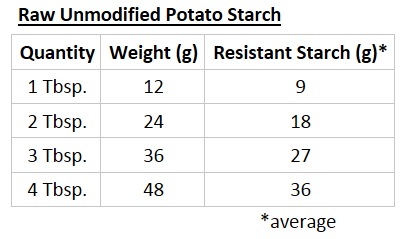
Currently the easiest way to get to the minimum 20 grams necessary of RS a day is to use several Tbsp of raw unmodified potato starch in a glass of water. It is about 75% RS by weight. It is very important you do not get regular potato flour. This will not work as the heating process almost entirely destroys the resistant starch.
When starting RS it is best to start slow. The gut will be undergoing some drastic ecological shifts as RS is added. Everyone is different in terms of their own microbiome so only you can decide how much to take and how long it takes to reach full dose.
You want to eventually reach at least 2 Tbsp a day. Some adventurous people take up to 8Tbsp.
The biggest side effect of taking RS is increased gas. This is very normal and almost everyone doing this protocol experiences this. If the the gas becomes too much, stop taking supplemental RS for 1-2 days. This will give the gut a break and a chance to do some of it’s own re-balancing. In fact it is probably good to do this anyways once every 1-2 weeks. Most people have found that the additional gas goes away after using RS for one month so therefore expect it to take that long for your gut biome to do most of it’s re-balancing.
Ideal Foods high in RS
- Green Bananas or Plantains
- Cooked and Cold potatoes
- Cold Rice as in Sushi Rice & Parboiled rice
- Tiger Nuts
The average western person on a SAD consumes about 3-5 grams of resistant starch per day. Where as the average Asian person consumes about 6-8 grams of RS per day. Most people therefore do not consume enough resistant starch from food alone and thus need to add a supplement. That said if you start making your primary carb sources cold rice, potatoes & properly prepared beans it can help create a good foundation.

Tim Steele has done a lot of research and compiled a master list of resistant starch content from major foods.Click here to download the PDF to get a good idea of how much is in various foods.
Serotonin & the Gut-Brain connection
95% of the bodies serotonin is produced in the gut by bacteria. One of the main bacteria implicated in the serotonin production pathway is Bifidobacerium Infantis. If you remember Tim Steele’s most enriched bacteria was the bifidobacterium at an eleven fold increase above normal levels. This means that taking appropriate prebiotics and ensuring that you are also taking the right bacterial strains could lead to dramatic shifts in neurotransmitter and hormone production capacity.
There has been a lot of research lately showing how various bacteria can reduce anxiety and depression and alter mood and behavior. One of the root causes of depression and anxiety is a gut imbalance which then leads to a neurotransmitter imbalance.
What else is interesting is the reverse is also true. Negative thoughts and feelings also influence bacteria and can raise levels of “bad” bacteria and lower levels of beneficial bacteria through stress hormonal activation.
It seems resistant starch may have powerful effects on serotonin and therefore melatonin as well. I have personally found that that taking RS 4-5 hours before bedtime to be important. If I take it right before bed I wake up feeling exhausted. I believe the reason is that transit time from mouth to colon is roughly about 4-5 hours and it is ideal to have the RS arriving in your colon as you sleep. It seems to promote more rejuvenating sleep this way and perhaps assist with critical liver detox that occurs in the early morning hours.
Diversity is key
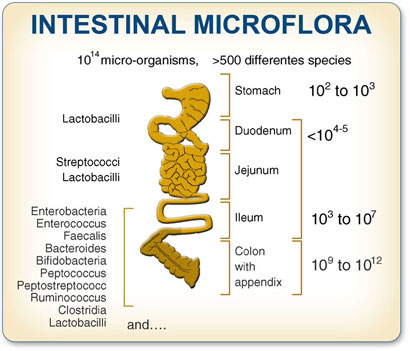
A brief map showing species variation depending on location as well as average number of organisms. The lactobacilli tend to occupy the upper intestines while the bifido dominate the lower intestine.
Bifido bacteria are your friends
On of the primary organism that RS appears to increase is bifidobacteria. It is these bacteria that confer all the benefits to you their host. Bifido constitute 90% of the gut microflora in infants that are breast fed. Bifido do things like:
- Improve digestion
Bifido
- Production of Vitamins
- Bioconversion of many compounds such as folate
- Inhibit Candida and E.coli by lowering pH in the gut
- Reduce gas
- Enhance the immune system
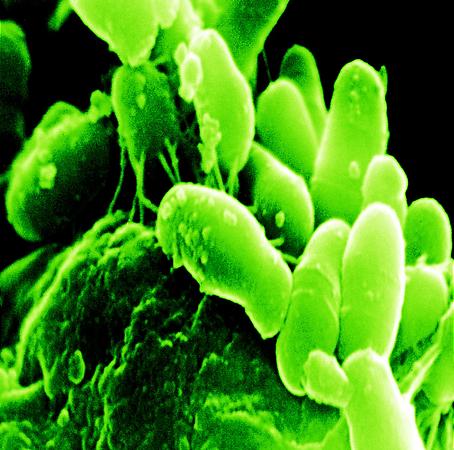
In many cases supplemental bifido can also completely eliminate IBS and diarrhea.
But perhaps one of it’s most beneficial aspect is that bifido cross-feed other beneficial bacteria species. Specifically Clostrida being one which then produce SCFAs.
SCFA are an energy source for your intestinal cells. They also help tighten the junctures in the intestinal cell lining preventing things conditions such as leaky gut.
While there is still a lot that is unknown about how Resistant Starch works and what it feeds specifically it appears that:
“Leitch et al. [24] found relatives Eubacterium rectale, Ruminococcus bromii and Bifidobacterium adolescentis to be the main colonisers of resistant starch particles, and these same species were detected using stable isotope probing with labelled starch by Kovatcheva-Datchary et al. [25]” (source)
The online community that is currently experimenting with RS is trying different bacteria and combinations of bacteria to see what works the best. There is likely to be a lot of individual variance.
Other beneficial bacteria
While there are many bacteria that have benefits for one reason or another these ones specifically are singled out for their remarkable properties in conjunction with RS. B.Infantis which is likely the primary bacteria responsible for Serotonin production is not found in 90% of probiotics on the market. This is why doing your research is important before buying probiotics.
- Bifidobacterium bifidus – known to be good at getting rid of the bad guys
- Bifidobacterium infantis – implicated in the serotonin production pathway, has anti-depressant like effects and improves motivation
- Lactobacillus brevis and Bifidobacterium dentium – best GABA producers (reference)
- Lactobacillus rhamnosus – reduces anxiety and OCD; also makes GABA
- Lactobacillus Plantarum – strong imuno-modulation tendencies; may cure eczema (reference)
- “Roseburia intestinalis” and “Eubacterium rectale” – primary producers of SCFAs
- Clostridium cluster XIVa [Roseburia] and F. prausnitzii
- Bifidobacterium adolescentis – cross-feeders of SCFA producers (reference)
- B. subtilis – makes Vitamin K2 and digests gluten, casein & sourdough
Recommended Probiotics for purchase:
- Bifido Bifidus by Natren
- Bifido Infantis by Natren
- Prescript-Assist
- ProBiotic 3 by AOR
- VSL#3
- CP-11 by Custom Probiotics
- L. Plantarum by Jarrow Formulas
But won’t RS feed the bad guys too?
According to the evidence collected so far it will not. In fact the opposite seems to be the case, in that it feeds primarily the beneficial bacteria and crowds out/inhibits the more dangerous Proteobacteria such as E.coli, Salmonella, Vibrio and Helicobactera. If you look above at Tim Steels n=1 report you will see he has less pathogenic Proteobacteria than anyone else! This has seemingly been one of the most profound discoveries when it comes to RS.
In fact resistant starch has been used as an effective treatment to treat cholera. It has been shown in a lab that 98% of cholera bacteria will detach from an agar substrate and bind to the resistant starch for elimination. (refrence) Dr. B G uses resistant starch as part of her Small Intestinal Bacteria Over-growth (SIBO) protocol to flush out excess microbes from the small intestine.
The increase in beneficial bifido populations which is on of the primary functions of RS helps create a more acidic environment through enhanced SCFA production in the colon which is considered a good thing. This environment inhibits the virulent hyphal from of the fungus Candida reverting it to its non-pathogenic form. (references) Anecdotally for me personally RS was the key that helped me get over a pervasive candida infection.
Other prebiotics:
- Galacto-oligosaccharides (GOS) – known for it’s bifido specificity
- Short-chain fructooligosaccharides (FOS)
- Inulin – compared to other prebiotics this one appears to be the worst
- Mannan-oligosaccharides (MOS)
- Lactulose
- Glucomannan – from konjac root
- Pectin
- Flavonols – from greens and cocoa (reference)
So how do all these other prebiotics compare to resistant starch? No one really knows, studies are mixed in terms of results. In vitro vs in vivo can make a difference and cross-feeding among bacteria and individual biome uniqueness can create hundreds of confounding variables further complicating the matter. Ultimately a mix of the various prebiotics is probably best to cover most of your basis. Starting with RS is probably good because we know it works for many people.
GOS is another well known prebiotic that has been empirically shown to have good bifidogenic properties. GOS is a substrate similar to those secreted in breast milk that fuels the 90% bifido as a ratio of gut population in infants.
To date there appear to have been no studies done comparing the efficacy of GOS vs RS. It does seem though on a gram for gram basis that GOS may be better. In addition to this GOS as a supplement is very difficult to find and different types are more effective than others.
GOS and the other prebiotics is something that needs to be researched further and experimented with. It could be a serious contender to RS, but for the time being RS is much more accessible.
Supper Booster recipe - Mix it up:
Diversity is a good thing especially when it comes to prebiotics and probiotics. What I do personally is I mix a bunch of things together into a super booster style drink and rotate various probiotics. I drink this once a day on an empty stomach 4-5 hours before bedtime. Mixing the probitoics with RS in water is ideal because it will enhance survivability and should increase transit length through the GI tract as well.
- 3/4 glass of water
- Prebiotic 1 of:
- 3-4 tbsp of Bob’s Red Mill Potato Starch Unmodified
- 4tbsp of Plantain Flour
- 1 sachet of Bimuno
- Probiotic 1 of:
- 2 grams of CP-11
- 2 grams of Natren Bifido Factor & 2 grams of Life Start 2
- 1 sachet of CocoaVia for flavonols
Then I drink that and swallow the following:
- 4 capsules of Greens
- 1 tablet FOS and 1 capsule of Apple Pectin
- 1 capsule of Prescript-Assist or 1 capsule of AOR ProBiotic 3
Benefits of Resistant Starch: (long list)
— decreased glycemic response (in both healthy subjects and diabetics)
— increased insulin sensitivity
— improved fasting blood sugar (10 or 15 point drops in many individuals, sometimes even greater)
— increased satiety
— improved metabolism
— improved fat burning
— improvement of adipose tissue patterning (body fat)
— improved sleep (deep and “movie-like” vivid dreams)
— improved digestion
— improved regularity
— improved blood/lipid profiles
— improved chelation/elimination of heavy metals
— improved colon pH (acidic is better)
— improved uptake/absorption of vitamins and minerals
— improved neurotransmitters (like serotonin)
— improved butyrate and Short-Chain Fatty Acid production (by feeding butyrate producing bacteria)
— improved colon health (by the production of Short-Chain Fatty Acids)
— improved previous damage to colonocytes
— improved mucosal integrity (gut barrier)
— protection against (experimental) colorectal cancer
— increased nitrogen disposal and reduced blood urea concentrations
— improved eye health
— improved body temperature
— reduced stress and improved well being (anecdotal)
— potential treatment for ulcerative colitis
— does not affect one’s ability to maintain ketosis (if that’s desired)
Additional Resources:
- Free the Animal Blog – ground zero of the recent RS movement
- Animal Pharm Blog – a scientific look at RS and SIBO
- Human Food Project – contribute to the mapping of the microbiome
- Mr.Heisenbug Blog – interesting blog on microbiota
- The Resistant Starch Challenge: Is It The Key We’ve Been Looking For? – CFS/ME forum thread
Podcasts:
- Latest in Paleo 97: Perfect Resistance – a good summary of the latest in RS with Tim Steele and Richard
Videos:
Research:
- Colicky Babies May Have Wrong Bacteria
- Mind-altering microorganisms: the impact of the gut microbiota on brain and behaviour
- Resistant Starch: Now We’re Getting Somewhere Part 1 & Part 2 (35 links to research)

No comments:
Post a Comment